

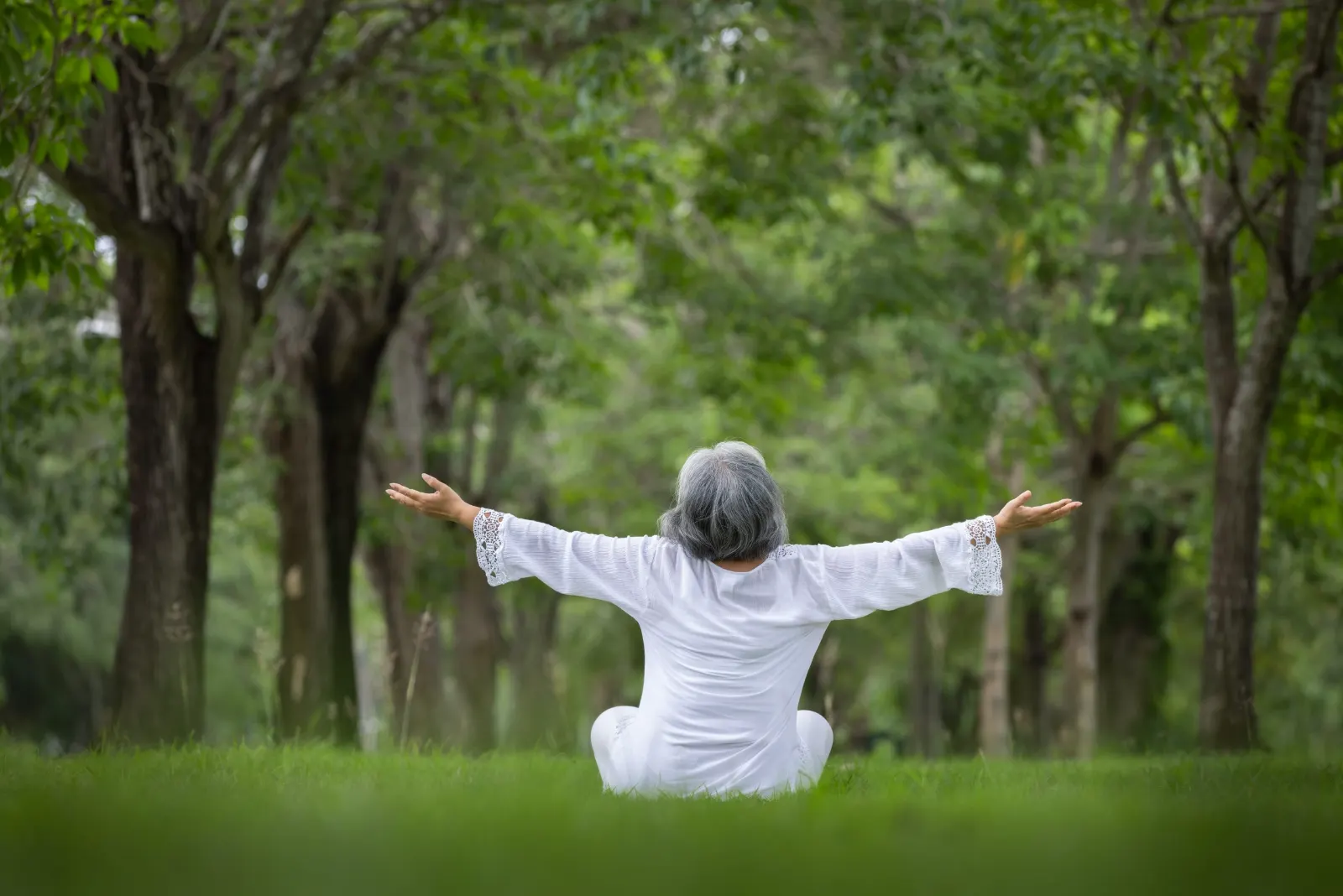
Spirituality is the broad concept of a belief in something beyond the self. It may involve religious traditions centring on the belief in a higher power, but it can also involve a holistic belief in an individual connection to others and to the world as a whole. Spirituality offers a worldview that suggests there is more to life than just what people experience on a sensory and physical level.
Instead, it suggests that there is something greater that connects all beings to each other and to the universe itself. It also proposes that there is ongoing existence after death and strives to answer questions about the meaning of life, how people are connected to each other, truths about the universe, and other mysteries of human existence.
Spirituality and religious activity have been a source of comfort and relief from stress for multitudes of people. While people use many different religions and paths to find God or to express their spirituality, research has shown that those who are more religious or spiritual and use their spirituality to cope with challenges in life experience many benefits to their health and well-being.
Signs of Spirituality
Spirituality is not a single path or belief system. There are many ways to experience spirituality and the benefits of a spiritual experience. For some people, this might involve the belief in a higher power or a specific religious practice.
For others, it may involve experiencing a sense of connection to a higher state or a sense of inter-connectedness with the rest of humanity and nature. Some signs of spirituality can include:
- Asking deep questions about topics such as suffering and what happens after death
- Deepening connections with other people
- Experiencing compassion and empathy for others
- Experiencing feelings of interconnectedness
- Feelings of awe and wonder
- Seeking happiness beyond material possessions or other external rewards
- Seeking meaning and purpose
- Wanting to make the world a better place
Not everyone experiences or expresses spirituality in the same way. Some people may seek spiritual experiences in every aspect of their lives, while others may be more likely to have these feelings under specific conditions or in certain locations. For example, some people may be more likely to have spiritual experiences in churches or other religious temples, while some might have these feelings when they out enjoying nature.
Types of Spirituality
There are many different types of spirituality, ranging from religious traditions to more secular approaches. Some of the major forms of spirituality include:
- Buddhism
- Christianity
- Hinduism
- Humanism
- Islam
- Judaism
- New age spirituality
- Sikhism
It is important to remember that there are many other spiritual traditions that exist throughout the world, including traditional African and Indigenous spiritual practices. Such spiritual practices can be particularly important to groups of people who have been subjected to the effects of colonialism.
Uses
There are a number of different reasons why people may turn to spirituality, including but not limited to:
- To find purpose and meaning: Exploring spirituality can help people find answers to questions they have about philosophical questions such as “what is the meaning of life?” and “what purpose does my life serve?”
- To cope with feelings of stress, depression, and anxiety: Spiritual experiences can be helpful when coping with the stresses of life.
- To restore hope and optimism: Spirituality can help people develop a more hopeful outlook on life.
- To find a sense of community and support: Because spiritual traditions often involve organized religions or groups, becoming a part of such a group can serve as an important source of social support.
Impact of Spirituality
While specific spiritual views are a matter of faith, research has demonstrated some of the benefits of spirituality and spiritual activity. The results may surprise no one who has found comfort in their religious or spiritual views, but they are definitely noteworthy in that they demonstrate in a scientific way that these activities do have benefits for many people.
The following are a few more of the many positive findings related to spirituality and its influence on physical and mental health:
- Research has shown that religion and spirituality can help people cope with the effects of everyday stress. One study found that everyday spiritual experiences helped older adults better cope with negative feelings and enhanced positive feelings.
- Research shows that older women are more grateful to God than older men, and they receive greater stress-buffering health effects due to this gratitude.
- According to research, those with an intrinsic religious orientation, regardless of gender, exhibited less physiological reactivity toward stress than those with an extrinsic religious orientation. Those who were intrinsically oriented dedicated their lives to God or a “higher power,” while the extrinsically oriented ones used religion for external ends like making friends or increasing community social standing.
This, along with other research, demonstrates that there may be tangible and lasting benefits to maintaining involvement with a spiritual community. This involvement, along with the gratitude that can accompany spirituality, can be a buffer against stress and is linked to greater levels of physical health.
People who feel comfortable and comforted using spirituality as a coping mechanism for stress can rest assured that there’s even more evidence that this is a good idea for them. Prayer works for young and old alike. Prayer and spirituality have been linked to:
- Better health
- Greater psychological well-being
- Less depression
- Less hypertension
- Less stress, even during difficult times
- More positive feelings
- Superior ability to handle stress
Tips
Whether you are rediscovering a forgotten spiritual path, reinforcing your commitment to an already well-established one, or seeking a new source of spiritual fulfillment, exploring your spiritual side may help improve your well-being.
Spirituality is a very personal experience, and everyone’s spiritual path may be unique. Research shows, however, that some spiritual stress relief strategies have been helpful to many, regardless of faith.
Some things you can do to start exploring spirituality include:
- Pay attention to how you are feeling: Part of embracing spirituality means also embracing what it means to be human, both the good and the bad.
- Focus on others: Opening your heart, feeling empathy, and helping others are important aspects of spirituality.
- Meditate: Try spending 10 to 15 minutes each morning engaged in some form of meditation.
- Practice gratitude: Start a gratitude journal and record what you are grateful for each day. This can be a great reminder of what is most important to you and what brings you the greatest happiness.
- Try mindfulness: By becoming more mindful, you can become more aware and appreciative of the present. Mindfulness encourages you to be less judgmental (both of yourself and others) and focus more on the present moment rather than dwelling on the past or future.
Need support? Recovery is about more than stopping substance use. Learn about our aftercare programme and other treatment options, or take our free, confidential self-assessment.